
The Arvada Center’s popified ‘Joseph’ is all style and little substance.
Few musicals have been as closely associated with the Arvada Center as Andrew Lloyd Webber and Tim Rice’s Joseph and the Amazing Technicolor Dreamcoat, which returns for its eighth production at the venue this holiday season. Director Kenny Moten, however, has something considerably different in mind this time around.
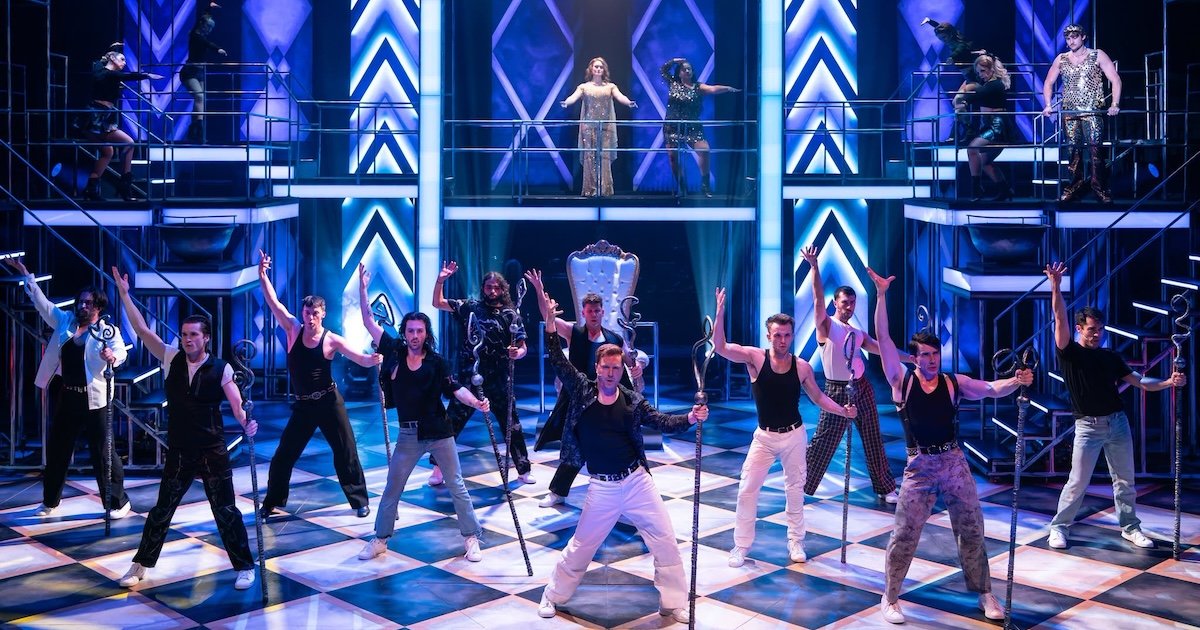
Moten’s reimagining dresses the biblical story in the bright lights, electronic beats and glamorous costumes of modern pop concerts. It’s lovely to look at, although the elaborate presentation repeatedly overwhelms the storytelling.
The visual design makes a compelling case for Moten’s approach. Brian Mallgrave’s multilevel set resembles a dance club, with a checkered floor, black beams, movable stairs and raised platforms that give performers plenty of room to move. Lighting fixtures appear attached to nearly every available surface, allowing Shannon McKinney to wash the space in vibrant colors and flashing patterns.
Linda Morken’s costumes initially place the ensemble in recognizable 2026 street clothes before shifting toward increasingly elaborate attire as the numbers unfold. Adriane Leigh Robinson’s Narrator gets some of Morken’s most memorable looks, including a Beyoncé-like headdress and a country ensemble fit for Miranda Lambert at the CMA Awards. Christopher Page-Sanders’ energetic, occasionally provocative choreography makes excellent use of Mallgrave’s set, creating striking group sequences across the various levels.
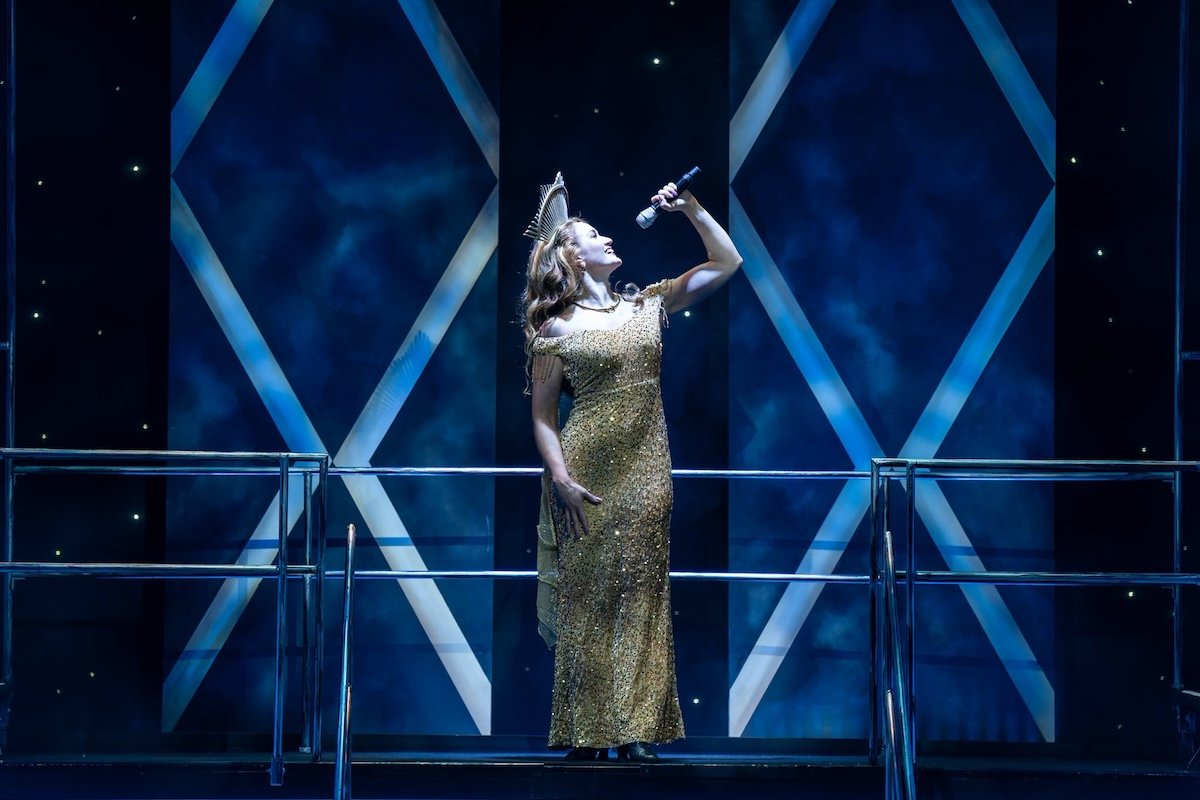
Adriane Leigh Robinson as the Narrator. | Photo: Amanda Tipton Photography

The cast certainly has the voices to sell it. Robinson is the standout, singing magnificently, navigating a parade of quick changes and commanding attention even when merely reacting to the action. EJ Dohring sings Joseph well, although his characterization remains strangely flat.
Despite being betrayed by his brothers, sold into slavery, imprisoned and eventually elevated to power, Joseph undergoes little discernible emotional growth. Dohring plays him in much the same register throughout, with Moten’s direction offering few opportunities to explore how those experiences shape him. Consequently, Joseph’s eventual forgiveness of his brothers carries little emotional weight.
That shortcoming isn’t entirely Dohring’s fault. “Close Every Door” briefly shows what this production can accomplish when Moten strips away the distractions. Alone onstage in chains, Joseph finally has room to express his anguish, and the song’s emotional power comes through without elaborate reinvention. It’s one of the production’s most affecting passages, but with little dramatic buildup and a quick return to the heightened nightclub atmosphere, its impact is fleeting.
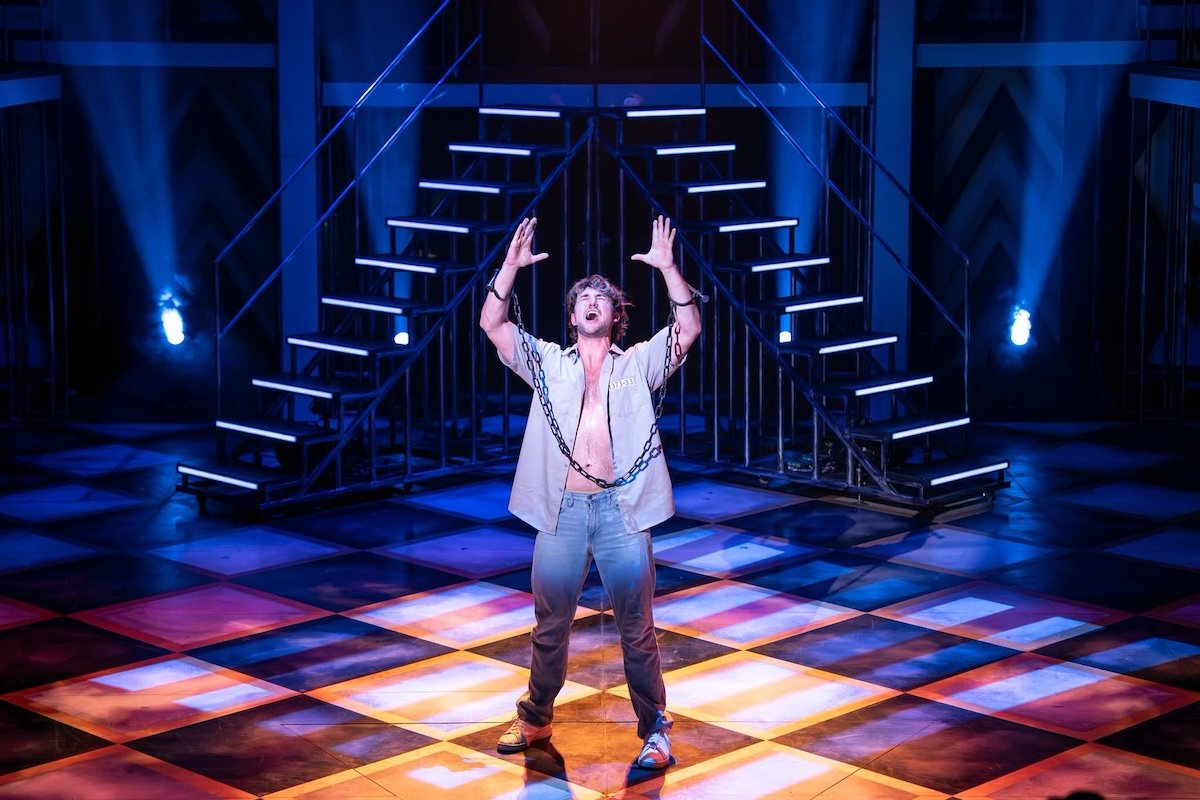
EJ Dohring as Joseph. | Photo: Amanda Tipton Photography
A concert in search of a story
Under music director Alec Steinhorn, drum-machine rhythms and other electronic dance elements run through much of the score. Yet one of Joseph‘s pleasures is how freely Lloyd Webber and Rice jump between musical genres. Here, the persistent electronic textures make most of the musical numbers sound remarkably similar, diminishing their individuality. By the climactic megamix, those driving rhythms have become so familiar that there’s little room left to push the energy further.
“One More Angel in Heaven” retains its country flavor, while “Those Canaan Days” largely preserves its French cabaret character, even with a techno detour. Both stand out precisely because they sound different.
The visual reinvention raises a larger question: What does this approach reveal about Joseph? His sale into slavery becomes a breezy gag involving two phone-wielding women in fur hats. Elsewhere, biblical references coexist with celebrity poses and club lighting. These choices suggest a world preoccupied with image, privilege and status, ideas that could illuminate the story’s themes of favoritism, exploitation and forgiveness. Yet Moten rarely develops those possibilities beyond isolated gags. The updating changes the surface without offering much of a new perspective on the material.
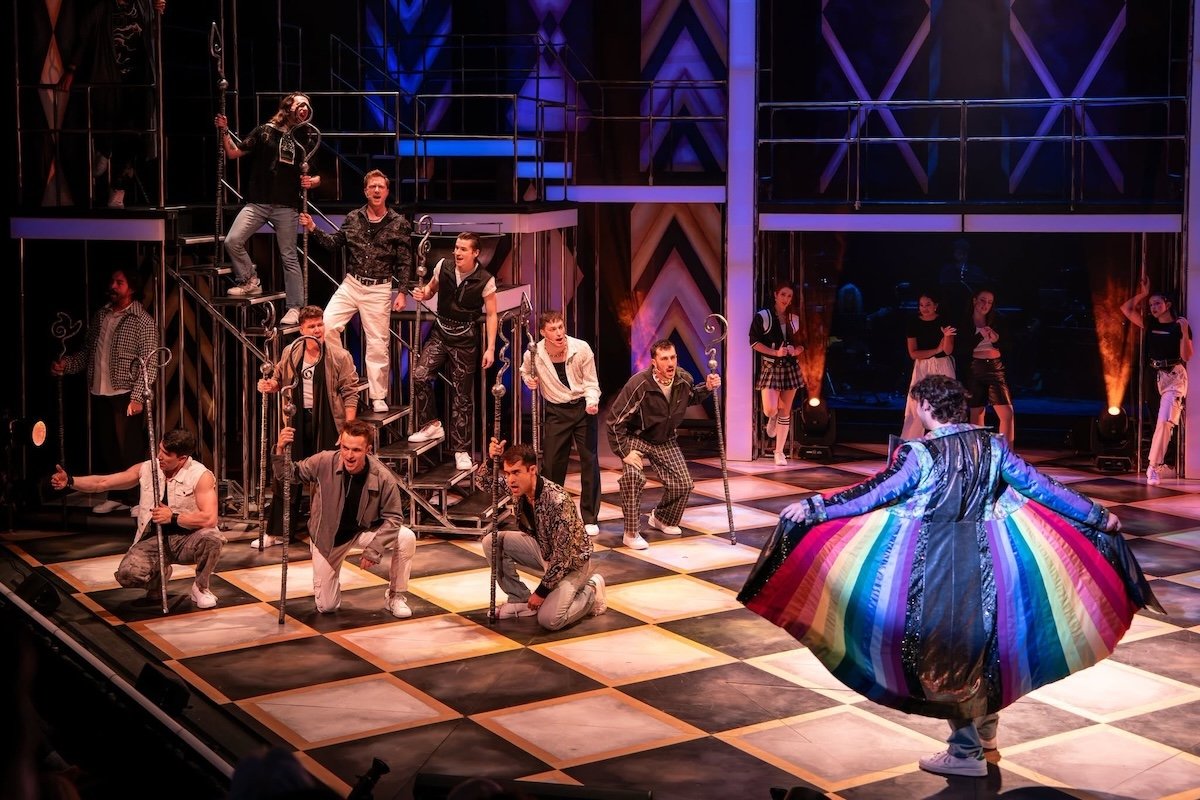
A scene from Joseph and the Amazing Technicolor Dreamcoat at the Arvada Center. | Photo: Amanda Tipton Photography
After the performance, a companion unfamiliar with the story told me they enjoyed the dancing and production design but couldn’t follow much of what happened. Even knowing the plot, I struggled to find a coherent emotional throughline beneath the visual flourishes.
There’s plenty to admire in the inventive design, strong vocals and Moten’s willingness to rethink a familiar holiday tradition. Audiences seeking a high-energy musical event will find considerable entertainment here. Yet the constant push toward the next big number rarely allows the characters’ relationships or emotions to develop. This Joseph has the look, sound and stamina of an arena show. What it lacks is a compelling reason to bring this ancient story into the 21st century.

An award-winning Colorado arts and culture reporter originally from Mineola, Texas. Tresca is the chief theatre critic for OnStage Colorado and managing editor of OnScreen Colorado. He’s the editor of Bucket List Community News, a contributor to Denver Westword and Estes Valley Voice, a resident storyteller for the Bonfils-Stanton Foundation and the co-host of the OnStage Colorado Podcast.

Leave A Comment