
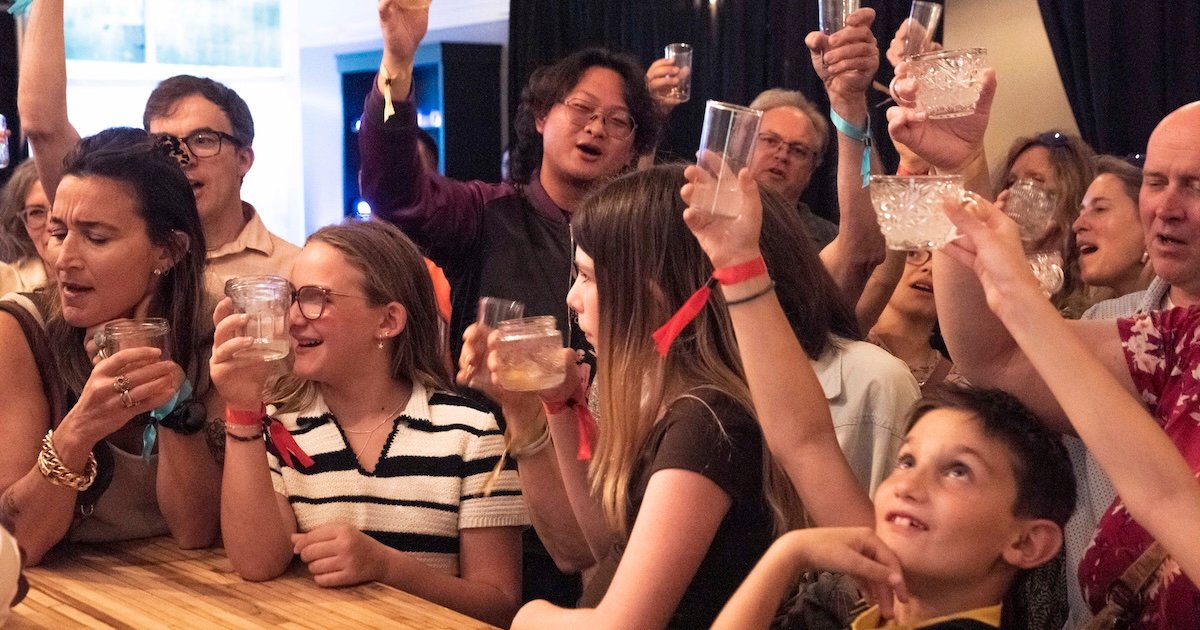
As Denver’s immersive scene faces setbacks, Culture House Immersive and The Catamounts test a new model with SIP.
At most theatre productions, opening night means the rehearsals are finished. At SIP, opening night means it’s time to get back to work.
The new immersive drink-tasting experience from Culture House Immersive, produced by Boulder-based The Catamounts, is running Oct. 2-25 at Westminster’s Orchard Town Center. Throughout the developmental run, rehearsals continue, scenes change and performers rotate through roles as the creative team tests what works.
“We’ve built some great immersive pieces, but quickly, and without the ability to iterate them,” said Catamounts co-founder and artistic director Amanda Berg Wilson.
SIP is the first public test of a business model that Culture House Immersive founder Mikhael Tara Garver and executive producer Charlie Miller hope will make immersive entertainment more sustainable. In a Colorado immersive theatre community recovering from several high-profile setbacks, that ambition carries particular weight.
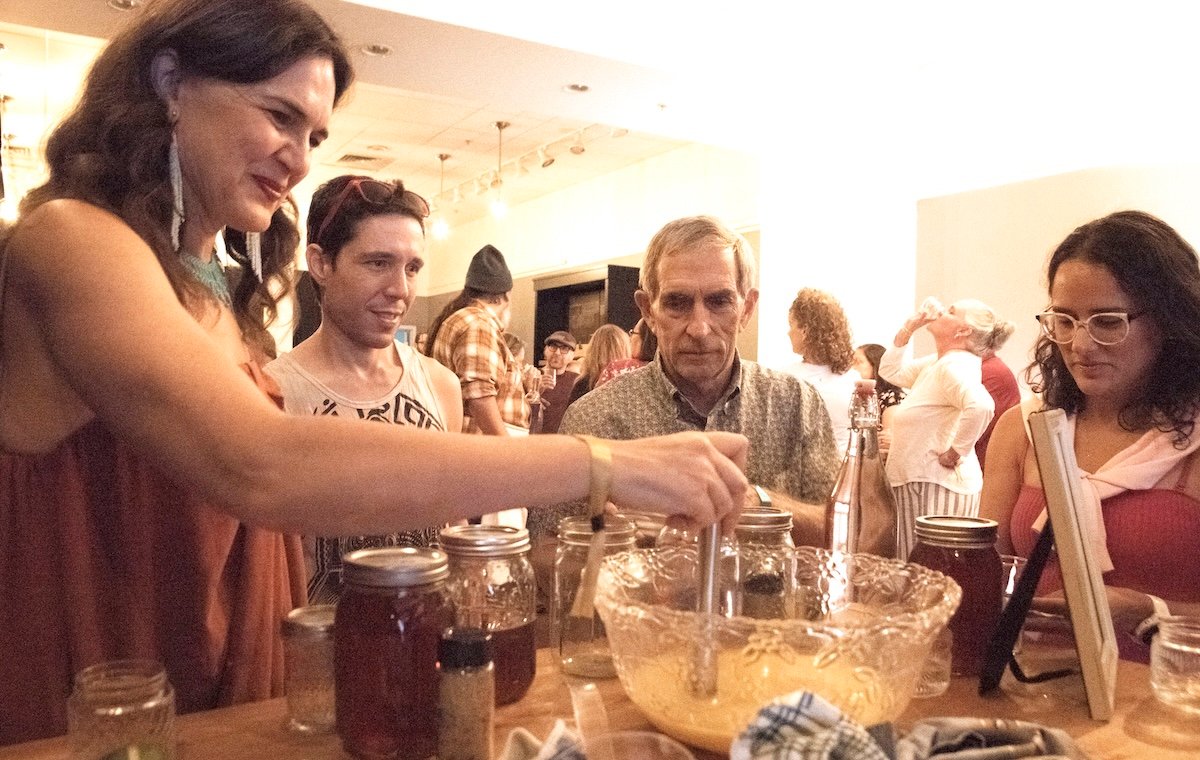
A scene from the developmental run of SIP in Westminster, Colo. | Photo: Michael Ensminger
Finding a way forward
One year ago, the Denver Center for the Performing Arts announced it would stop developing original immersive productions through Off-Center, the pioneering program Miller co-founded in 2010. The organization cited financial pressures, unpredictable ticket sales and a shortage of viable immersive projects.
Then, this summer, the ambitious Denver Immersive Repertory Theater collapsed before opening its downtown venue, leaving behind unpaid bills and questions surrounding a $400,000 city-backed loan.
Together, those developments raised an uncomfortable question: If major institutions and permanent venues cannot sustain immersive theatre, what can?
Miller, who joined Culture House Immersive in April, believes portability is part of the answer.
“Part of the challenge that we were facing at Off Center and part of the challenge facing the immersive field as a whole is the lack of content that is viable to move around,” Miller said.
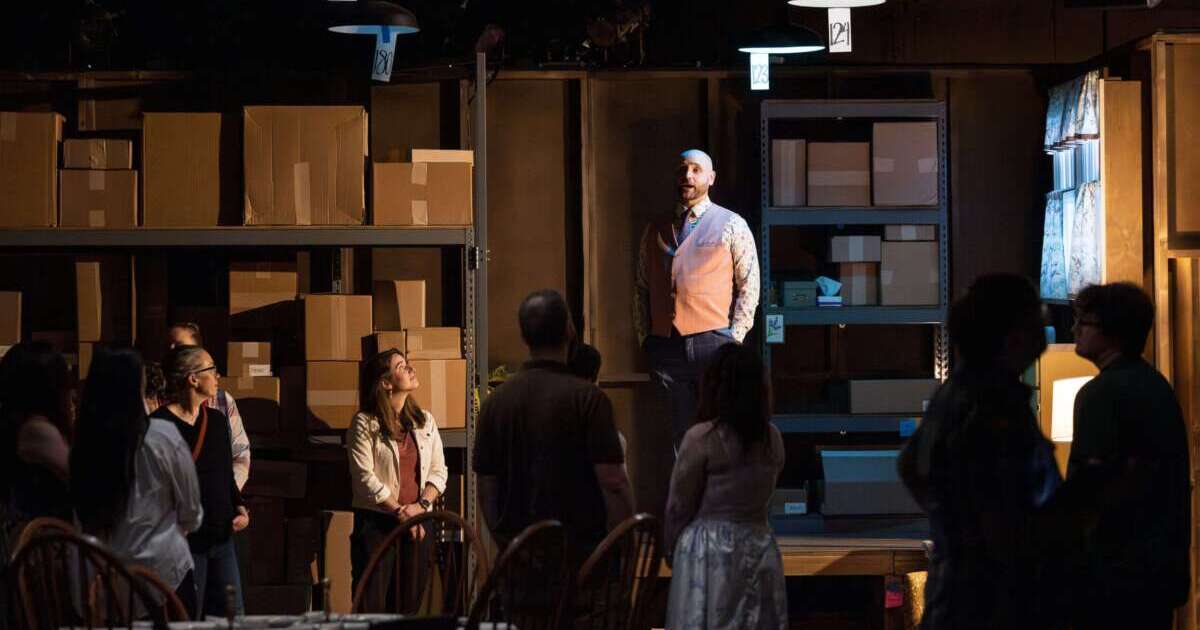
Brendan Duggan in Sweet & Lucky: Echo at DCPA Off-Center. | Photo: Jamie Kraus Photography
Culture House Immersive is developing six narrative-driven properties through an investment-backed model that spreads financial risk across multiple productions. Garver, whose 25-year career includes work on Sleep No More and major commercial immersive projects for companies like Disney, wants to invest in productions rather than permanent venues.
“I would rather our investments go to the creative depth and product, not bathrooms,” Garver said. “We are deeply investing in the craft, both the business craft and the creative craft that builds something long-lasting, and sometimes that feels less sexy than opening a building.”
That philosophy is evident in the vacant Westminster storefront where SIP is being developed, supported by The Catamounts’ partnership with the city’s Department of Parks, Recreation and Libraries.
“I have been trying to pitch this to the city of Boulder forever: just give artists the vacant space,” Berg Wilson said. “We need it for a couple of months, and it will bring this vitality, and this is woo-woo, but you’ve got artists in and out, and that creates good vibes for the space.”
A secret society in a storefront
Walking into SIP during its first performance, the room is deliberately modest. Tables, bar equipment and suitcases occupy the vacant storefront.
That simplicity is central to the concept.
The show’s fictional Sip Society is a mysterious organization whose members travel from place to place, gathering strangers around unusual drinks, rituals and stories. Everything the society needs emerges from its suitcases.
Over approximately 70 minutes, audiences encounter characters, sample alcoholic and nonalcoholic beverages and become participants in the society’s mythology. Colorado’s version features beverages from Longmont’s Dry Land Distillers, with future iterations incorporating local spirits and cultural references.
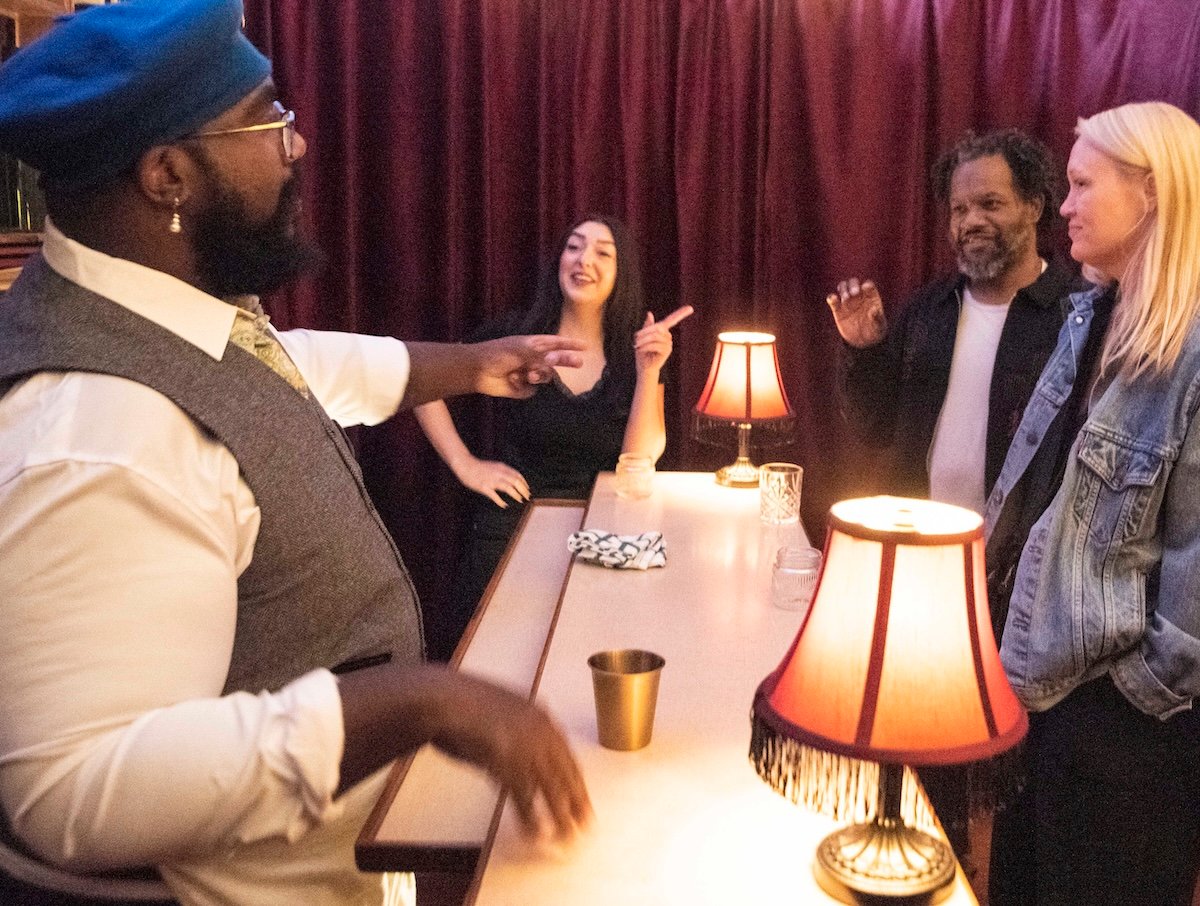
A scene from the developmental run of SIP in Westminster, Colo. | Photo: Michael Ensminger
Garver calls the approach “immersive involvement,” which makes the audience essential to the storytelling. During the opening performance, the gathering grew increasingly rowdy as attendees sampled drinks, talked among themselves and interacted with the performers.
Those unpredictable conversations sometimes competed with the scripted storytelling. That tension illustrated precisely what the developmental run is intended to investigate: how to make audiences genuinely central to the experience while preserving a coherent narrative.
“This developmental run is all about learning how we build the relationship with the audience,” Garver said.
The experimentation extends to casting. Performers rotate through the same roles to test the strength of the characters, while the script has been reduced from six principal roles to five to improve touring viability. The production is designed to accommodate up to 200 audience members, with additional performers allowing larger crowds.
“The business and the creative are happening simultaneously and are in response to each other,” Miller said.
Building something that lasts
The ultimate goal extends far beyond Westminster. Miller envisions SIP eventually appearing in performing arts centers, distilleries, vacant storefronts, casinos and potentially cruise ships, with multiple casts operating in different cities.
“Once the show exists and we know that it successfully does what we want it to do, there are so many ways it can spin off into all these different iterations for all these different audiences,” Miller said.
Garver hopes Denver becomes a hub for Culture House Immersive, which is already developing additional projects.
“My belief and hope is that Denver, along with some other cities, becomes a core hub for our immersive work,” Garver said.
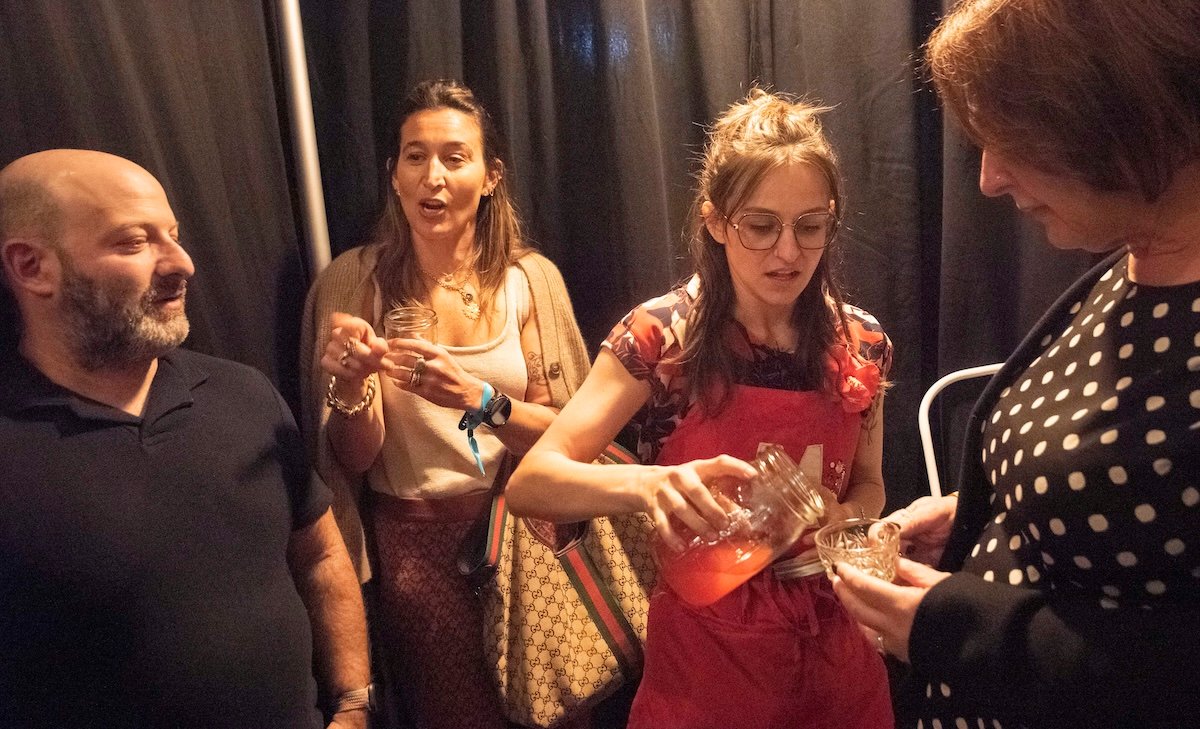
A scene from the developmental run of SIP in Westminster, Colo. | Photo: Michael Ensminger
Berg Wilson has similarly ambitious goals for The Catamounts.
“I am just interested in, just to be totally bold, being the company here in town that really has become the most skilled immersive company in town,” Berg Wilson said. “I hope that this is a town that has room for us.”
Whether the model can deliver on those ambitions remains uncertain. Yet by confronting the financial challenges of immersive entertainment during development, Culture House Immersive is attempting to avoid the pitfalls that have undermined other productions.
Its larger ambition is to create spaces where strangers can connect across differences.
“We’re called Culture House Immersive for a reason: culture is at the center of what we’re doing,” Garver said. “And I think we’re trying to build cultural spaces of entertainment where you can show up as who you are, have a great time, and leave feeling connected to something larger than yourself.”
An award-winning Colorado arts and culture reporter originally from Mineola, Texas. Tresca is the chief theatre critic for OnStage Colorado and managing editor of OnScreen Colorado. He’s the editor of Bucket List Community News, a contributor to Denver Westword and Estes Valley Voice, a resident storyteller for the Bonfils-Stanton Foundation and the co-host of the OnStage Colorado Podcast.

Leave A Comment