
Learnings from the National Critics Institute and how it will shape OnStage Colorado’s coverage.
A critic walks into a bar. The playwright is already there. So are the director, several actors and the other writers who spent the morning pulling apart the critic’s latest review.
It sounds like the setup to a bad joke. At the National Critics Institute (NCI), held at the Eugene O’Neill Theater Center in Waterford, Connecticut, it was simply another night at Blue Gene’s Pub. There was rarely much distance between the people creating the work and those of us judging it.
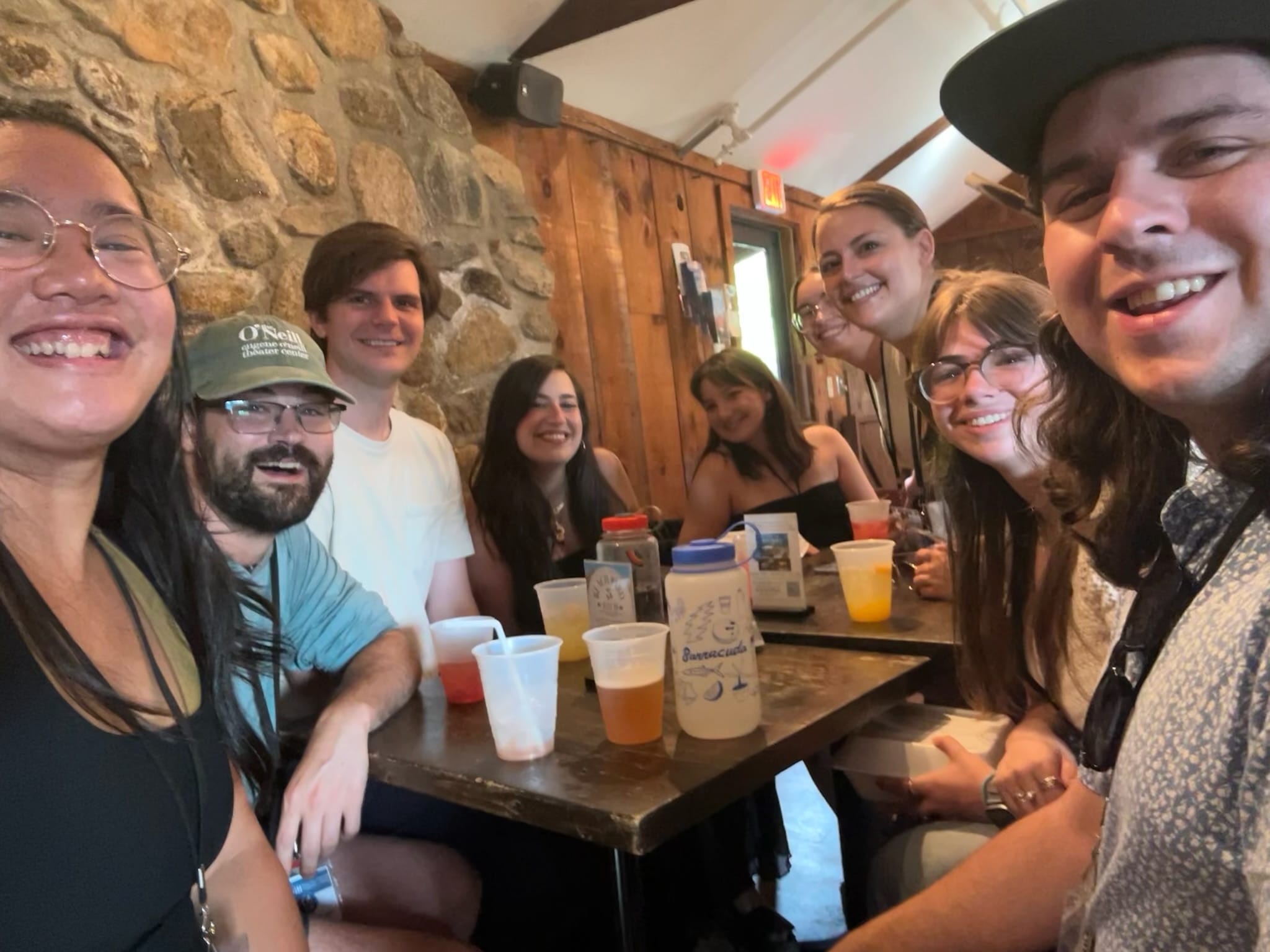
Some of the 2026 National Critics Institute fellows gather at Blue Gene’s Pub. | Photo: Toni Tresca
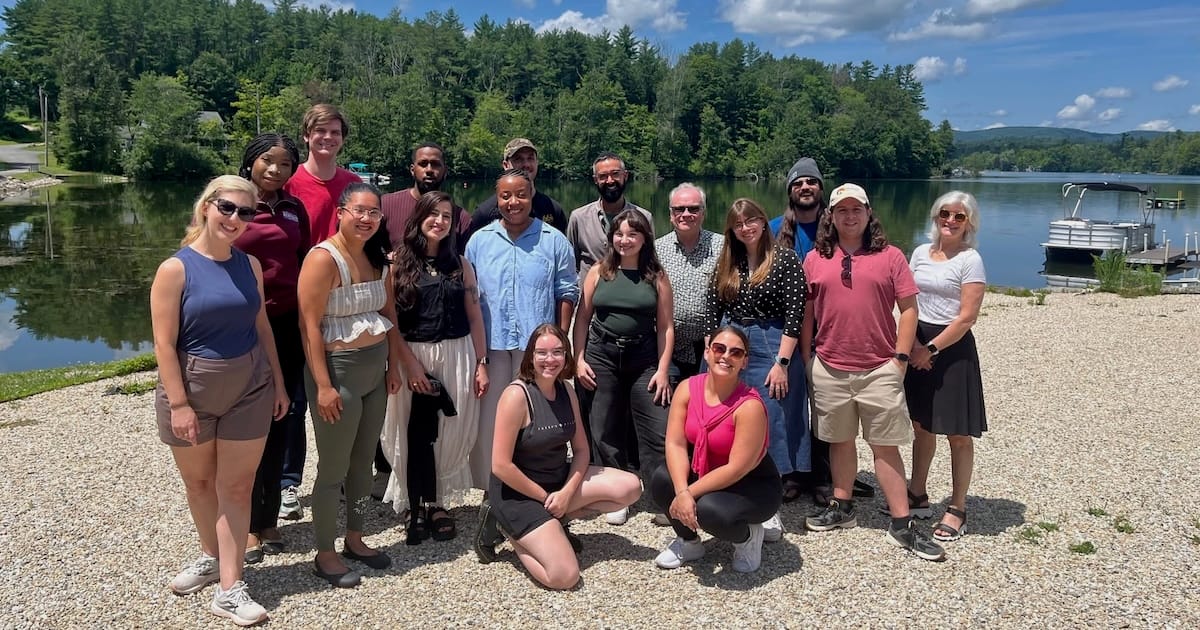
From July 1 to 12, I joined 13 journalists from across the country for the two-week workshop, led by Chris Jones, the Chicago Tribune’s opinion section editor and chief theater critic, and NCI associate director Naveen Kumar, a freelance arts writer and critic.
Most nights, we saw something and turned in a piece by 9 or 9:30 the next morning. Soon afterward, we gathered to examine one another’s arguments, language and assumptions. A vague sentence had to be defended. A clever line meant little if it did not support the larger point.
Much of the work we covered was being created around us at the O’Neill. We responded to two new plays and two new musicals in development, then encountered their writers, directors and performers across the same campus. Beyond Waterford, we attended productions at Goodspeed Musicals, Berkshire Theatre Group and Jacob’s Pillow Dance Festival.
Those performances opened into conversations with critics and artists working across forms. Katie Walsh, based in Los Angeles, discussed film criticism. Pulitzer Prize winner Sarah Kaufman led us through writing about dance. New York Times critic Ligaya Mishan spoke about food. Journalist Mark Caro dug into music. Brittani Samuel, Peter Marks and Matthew Wexler talked about theater criticism. Alex Gemignani of the National Musical Theater Conference broke down how songs and orchestrations function in a musical. NPR’s Jay Vanasco showed us how criticism changes when it must be heard rather than read.
For someone who has always freelanced and worked remotely, spending nearly two weeks in that environment was transformative. I have moved between performances, interviews, podcasts and editing without the daily experience of a traditional newsroom. At NCI, I was surrounded by people who cared enough about criticism to question every claim and shortcut, constantly pushing me to improve as a writer.
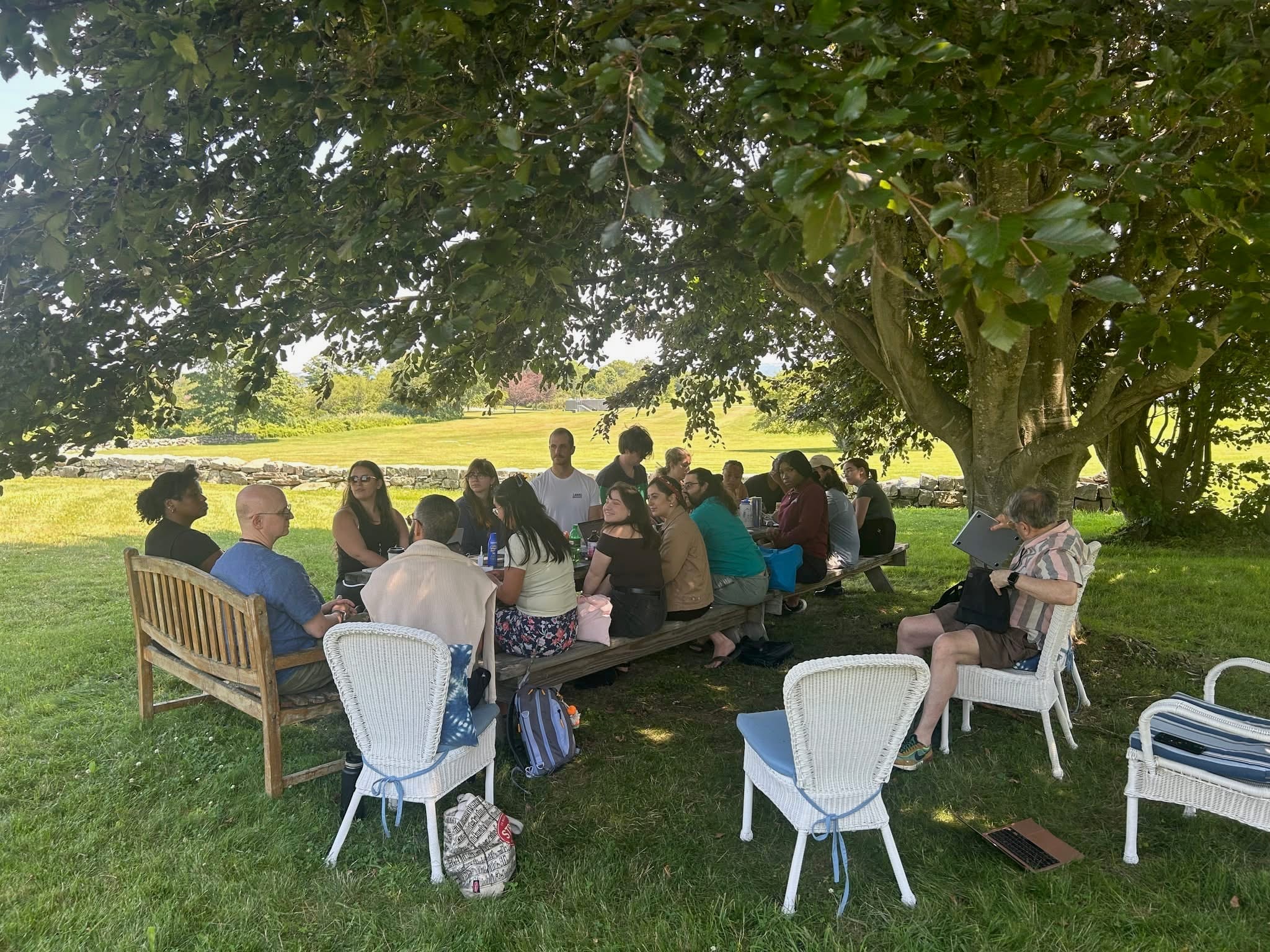
The fellows from the 2026 National Critics Institute gather outside under a tree for a session. | Photo: Toni Tresca
I was also surrounded by artists with strong opinions about what critics get wrong.
During one panel with working playwrights, several writers expressed their frustrations with critics directly to us. They described critics as condescending outsiders who see a work once, hold playwrights to the words they wrote and presume to ask why the piece matters now. How, they wondered, could someone who witnessed only one performance claim authority over the experience?
Their objections were not baseless. Critics can misunderstand a work, flatten its intentions or publish a sentence that follows an artist for years. We arrive near the end of a long process, encounter the result once and rarely know everything that shaped it. After the playwrights left, Jones noted that the panel had been more pointed than usual and segued into a larger conversation: Artists may be the people most certain to read a review, but they are not its primary audience.
Jones encouraged us to think about three audiences: local readers deciding whether to buy a ticket; people who may later use the review as an archive of the production or a window into the community; and the industry itself — the artists, administrators and institutions being discussed.
That final group may be the most certain to read every word, but writing primarily for its approval compromises the work. Critics who become preoccupied with being liked risk softening judgments, avoiding difficult questions and confusing access with friendship. As critics, our responsibility is to serve as attentive audience surrogates, examining the experience carefully, supporting our conclusions with evidence and situating the work within a larger artistic and cultural context.
Artists are free to disagree with what we write. When criticism is effective, it can clarify a problem the creative team may have overlooked, identify an idea that deserves further consideration or draw attention to an accomplishment audiences might otherwise miss. That ability to help people see a work more clearly — whether through praise, criticism or a mixture of both — is one of the best parts of the job.
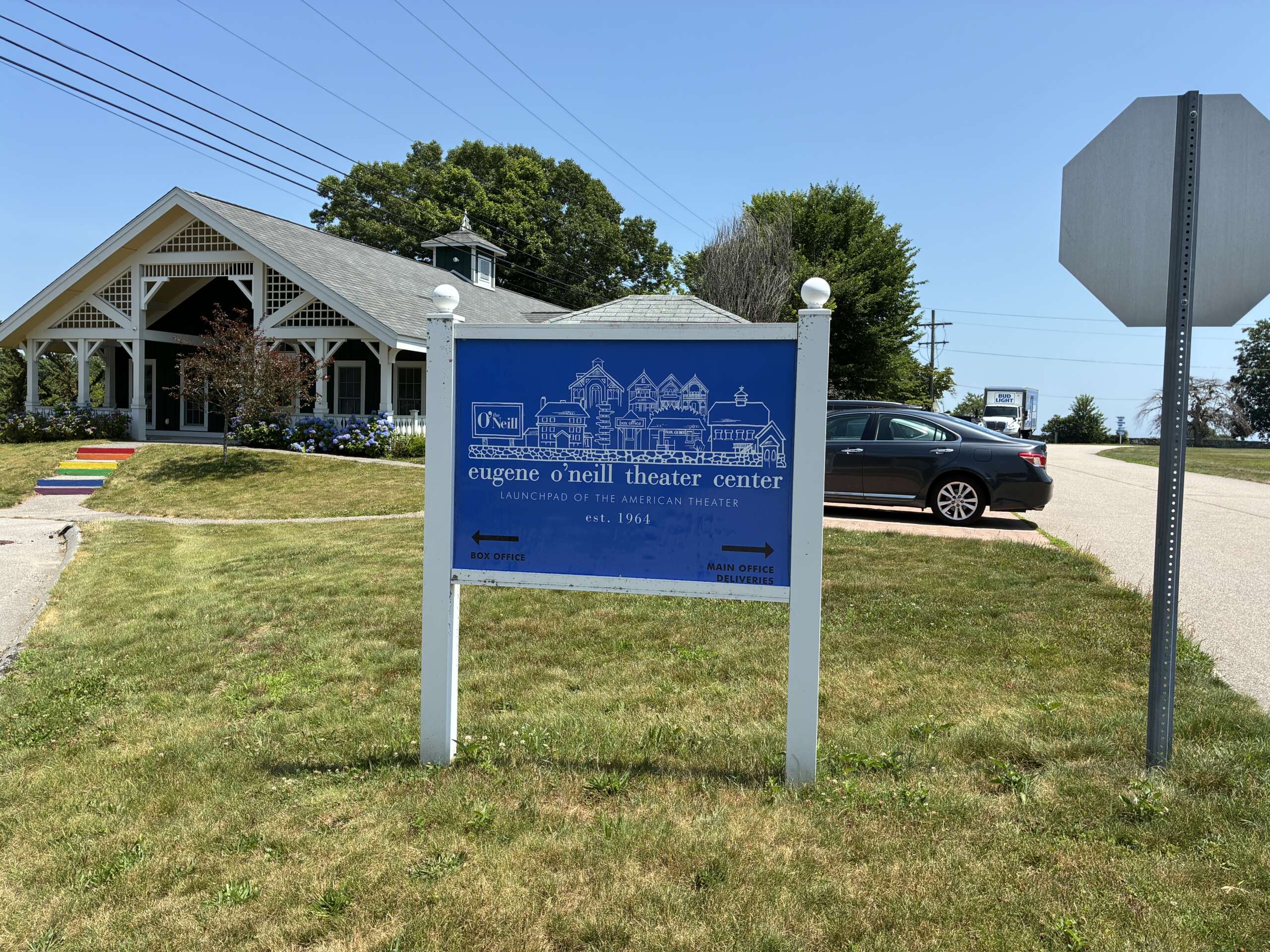
A welcome sign for the Eugene O’Neill Theater Center in Waterford, Connecticut. | Photo: Toni Tresca
That responsibility feels especially urgent as traditional arts coverage continues to shrink. OnStage Colorado has helped fill part of that void by covering theatre across the state. I returned from NCI with a clearer understanding of whom that coverage should serve and how we can approach it with greater precision.
Here are the lessons I plan to carry forward:
Always be on the side of art
Begin by identifying what a work is attempting to do and judge it on those terms. A broad comedy, experimental drama, jukebox musical and developmental workshop have different ambitions. Meeting a production where it is requires taking those ambitions seriously without lowering expectations. When something fails, the critic should explain why rather than simply declaring it worthless. When something soars, we should be equally willing to surrender to it.
Cheerleaders and haters are equally useless
Excessive praise can destroy a critic’s credibility as quickly as reflexive negativity. If everything is exceptional, the praise stops meaning anything. If every review is a takedown, the critic becomes predictable and self-serving. The job requires enough independence to disappoint artists we admire and enough openness to be surprised by work we expected to dislike.
Assign responsibility fairly
Critics often blame actors for problems that originate with directors. Directors shape the tone, casting, pacing and relationships among a production’s elements. Performers remain open to criticism, but the review should consider who controlled the choice. The same principle applies to scripts, design, programming and institutional decisions. Precision is more useful than attacking the easiest target.
Ask what the work means and why it matters now
Some artists bristle at this question, but programming a revival, premiere or familiar crowd-pleaser is a choice. Those decisions reveal what an institution believes its audience needs or wants. A production does not require an overt political message to justify itself, but a critic should consider what it contributes to the present moment.
Punch up rather than down
A critic has more latitude when covering a massive commercial production than an unfinished work by emerging artists. Fairness does not require dishonesty, but power matters. A forceful negative review can avoid turning a young performer or vulnerable artist into a punchline. Criticism should be directed toward the people and institutions with the greatest control.
Recognize the power without shrinking from it
Critics are watched while we watch. People notice where we sit, how we react and what we write. In a close-knit community, clear boundaries are essential. We cannot become members of the companies we cover or let personal relationships determine our judgments. When someone confronts us, we should stand behind the work while recognizing the humanity of their response. People remember negative criticism for years. That is a reason to write carefully, not timidly.
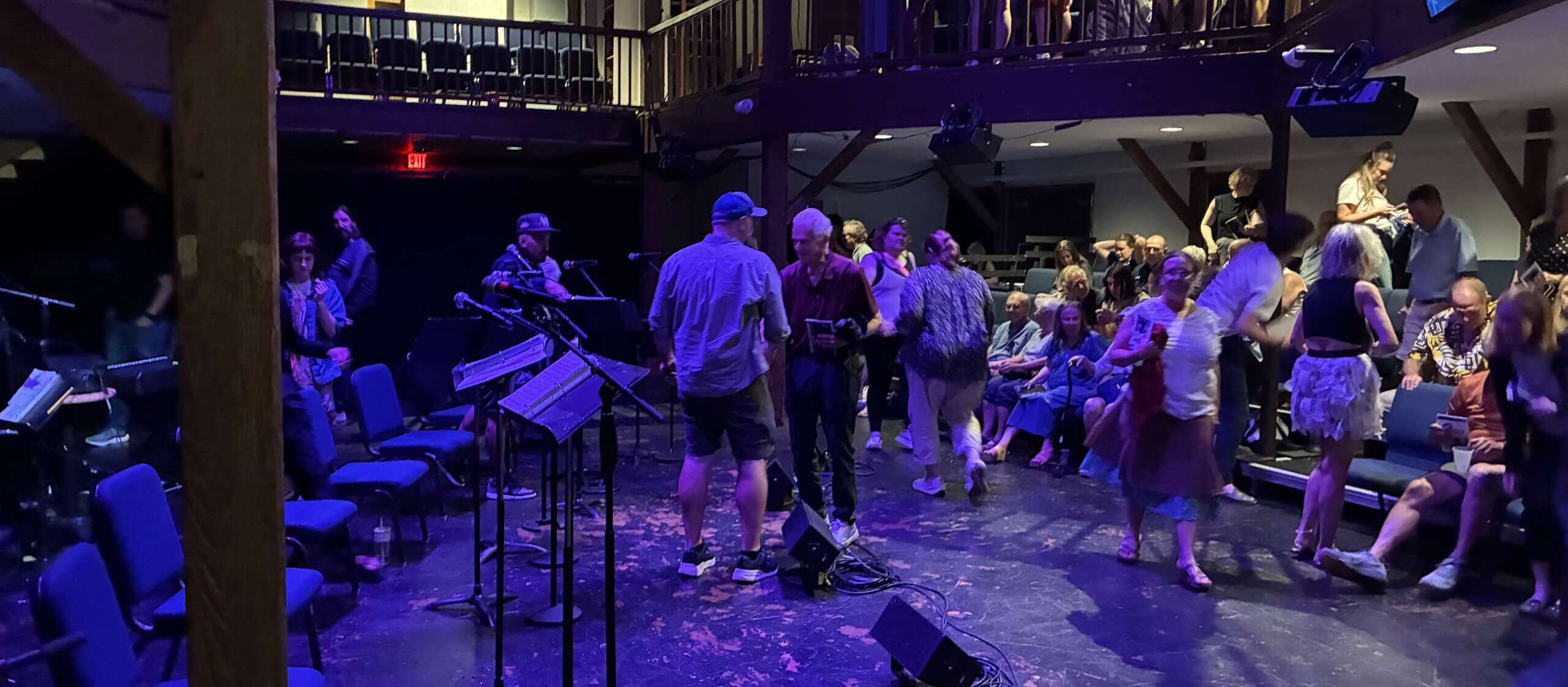
Audience members leave a performance of a new musical in development that the 2026 National Critics Institute fellows attended. | Photo: Toni Tresca
My fellow critics added an equally energizing element to the experience. They were building publications, recording podcasts, teaching and fighting to sustain arts coverage across the country. They approached criticism differently, but all were champions of the art forms they covered.
That love did not always produce gentle reviews. Caring deeply can make disappointment sharper because we see what a work might have achieved. Nobody at NCI was searching for an excuse to tear artists down. They believed criticism could help audiences recognize great work, illuminate ideas worth discussing and hold powerful artists and institutions accountable when their choices fell short.
I returned to Colorado eager to apply what I learned. Readers can expect OnStage Colorado’s reviews to make clearer arguments, distinguish more carefully among problems in the writing, direction and performances, and spend less time cataloging every competent contribution.
We will continue telling audiences whether a production deserves their time and money while asking what the work is attempting to do, what it contributes to Colorado’s cultural life and why it matters now. We may not praise every production, but we will keep showing up because Colorado theatre is worth watching and writing about with care.
What mattered at Blue Gene’s Pub was not that critics and artists always agreed. It was that we returned to the same tables, ready to continue the conversation.
That is the kind of critical perspective I hope to bring back to Colorado OnStage Colorado: independent, honest and dedicated to assisting creatives in elevating the art form.

An award-winning Colorado arts and culture reporter originally from Mineola, Texas. Tresca is the chief theatre critic for OnStage Colorado and managing editor of OnScreen Colorado. He’s the editor of Bucket List Community News, a contributor to Denver Westword and Estes Valley Voice, a resident storyteller for the Bonfils-Stanton Foundation and the co-host of the OnStage Colorado Podcast.

This is great to read, Toni. Clear and fair. I especially like the notion of first engaging with assessing what a particular work is trying to do, and proceeding from there. Too often I think theater is treated as apples to apples, when different kinds of shows are often trying to do very different things!
Congrats Toni. What a fabulous experience. The programs at the O’Neill are transformative. Loved reading about your experience there.
Good for you Toni! It is so important to be in the room with the creatives and understand the process. I’m thrilled that you were able to take part at the O’Neil center in the National Critics Institute. Chris Jones has been in the business many years and one of the most respected critics in the country. What a great learning experience for you. Thank you for taking the time to broaden your experience. The industry will be much better for it.